

Laser Tube Cutting
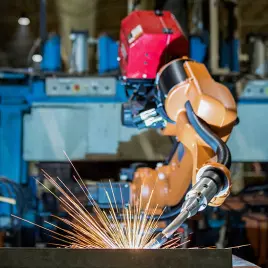
Laser tube cutting is a critical first step for tube fabrication services.
Your browser is out of date.
You are currently using Internet Explorer 7/8/9, which is not supported by our site. For the best experience, please use one of the latest browsers.

Choosing the wrong alloy can cost you more than a failed part. It can mean missed tolerances, premature wear, or a component that fails in the field. CNC machining material selection is the first decision that determines whether a finished part performs to print specification or ends up back on the machine shop floor. Modern Group works through this decision with every customer before a single chip is cut, matching materials for CNC machining to the load, environment, and finish each application demands.
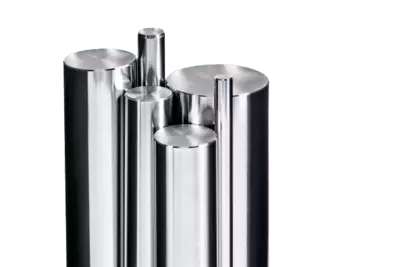
Modern Group machines a broad spectrum of CNC machining materials, from general-purpose bar stock to superalloys built for extreme heat and pressure. Our machining staff has the depth of experience to move between material families without slowing down your production schedule or your delivery date.
These materials arrive in multiple forms, from bar stock to complex investment castings, so each part is machined from the raw material best suited to its geometry and function.
Precision machining materials aren't interchangeable. A bracket destined for an aerospace braking system carries different metallurgical demands than a frame component built for Power Sports equipment. Modern Group's machining team evaluates hardness, machinability, heat treatment response, and finish requirements up front, so the alloy chosen supports the part's full service life rather than just its first inspection.
That upfront material planning is why our metal machined parts consistently hold tolerance across long production runs. It also protects your supply chain: when a material is matched correctly the first time, you avoid costly rework, scrapped stock, and schedule slips down the line.
Our machining material offerings go into products in many different industries such as:
These industries rely on Modern Group to provide expert machining material offerings that ensure product reliability and safety while improving processing times and life cycles.
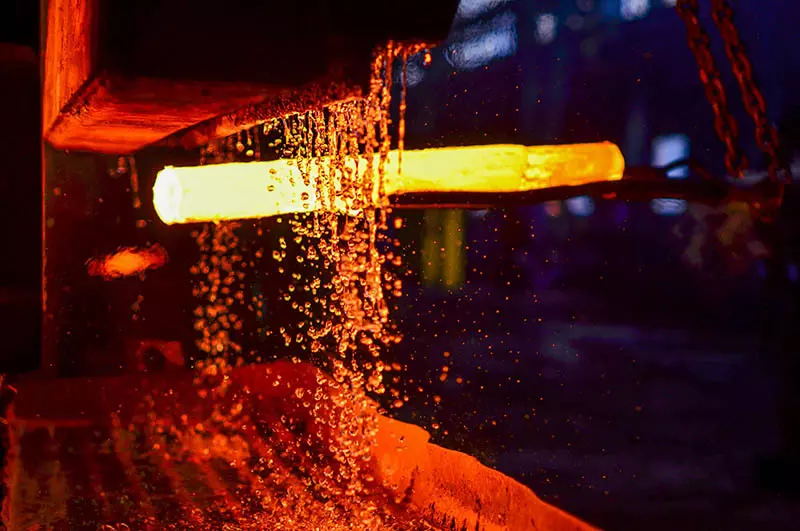
Modern Group partners with our customers to provide custom tube fabrication services.
Aluminum CNC machining runs faster and produces a lighter part, which is why 6000 and 7000 series aluminum shows up in weight-sensitive applications. Stainless steel CNC machining takes longer per part due to higher hardness and work-hardening tendencies, but it delivers corrosion resistance and strength aluminum can't match. The right choice comes down to whether your application prioritizes weight savings or long-term durability in harsh environments.
Both are chromoly alloy steels, but they serve different loads. 4130 steel machining is common in parts that need good weldability alongside strength, such as tubing and structural brackets. 4140 steel machining is typically selected for higher-strength applications like shafts, gears, and fasteners that undergo heat treatment for added hardness. Your part's heat treatment plan and expected stress load usually settle the decision.
Inconel machining and Hastelloy machining are reserved for parts exposed to extreme heat, corrosive chemicals, or high-pressure environments, conditions where standard stainless steel would degrade or fail. These superalloys cost more and machine more slowly, so they're specified only when the application genuinely demands that level of performance, such as turbine components or chemical processing equipment.
Yes. Softer materials like aluminum and carbon steel machine faster and generally cost less per part. Harder alloys, stainless steels, tool steels, and superalloys require slower cutting speeds, more tool changes, and sometimes secondary heat treatment, which extends lead time and raises cost. Discussing your material options with our machining team early in the design process helps balance performance requirements against your production budget and timeline.